








Functional Nutritionist for OCD
Offering Virtual Appointments in North Carolina, Across the United States, and Worldwide
OCD is far more than a quirk about neatness or a tendency toward perfectionism. For those living with it, obsessive thoughts and compulsive behaviors can be exhausting, isolating, and resistant to standard treatment.
As a functional nutritionist I look at what conventional approaches often miss: the biochemical imbalances that fuel OCD symptoms, including methylation patterns, neurotransmitter disruptions, gut health, and specific nutrient deficiencies that directly affect how the brain regulates thought and behavior.
Book a free one-on-one consultation to find out if functional nutrition can support your OCD recovery.
As Seen in and Worked With:


Does This Sound Like You?
People who reach out for nutritional support for OCD often describe:
- Intrusive, unwanted thoughts that loop and won’t let go
- Compulsive behaviors or rituals that feel impossible to stop,
even when you know they don’t make logical sense - Intense anxiety when routines are disrupted or rituals go uncompleted
- A need for control, symmetry, or “just right” feelings that governs daily life
- Difficulty concentrating on anything other than the obsession
- Physical tension, gut issues, or sleep disruption alongside OCD symptoms
- Trying therapy or medication with partial relief, but feeling like something is still missing
- A family member, particularly a child, whose OCD came on suddenly or worsened rapidly
You or your loved one may have tried CBT or ERP therapy. These can be valuable tools. But for many people, OCD symptoms persist because the underlying biochemical environment driving them has never been addressed.
Who I Am and How I Help With OCD
I’m Samantha Gilbert, a certified functional nutritionist based in North Carolina with over 20 years of experience supporting people with OCD, anxiety, depression, ADHD, and other mood and behavioral concerns.
My work is grounded in a fundamental truth: OCD is a symptom, not a root cause. The obsessions and compulsions you experience are the brain’s response to internal biochemical stress. My job is to identify what that stress is, whether it’s undermethylation, pyrrole disorder, copper toxicity, gut dysbiosis, or neurotransmitter imbalance, and build a nutritional plan to address it.
I provide nutrition education and guidance, not diagnosis or medical treatment. I collaborate with your existing healthcare team when appropriate, and I have extensive experience working alongside therapists and physicians who specialize in OCD.
Why My Clients Trust Me:
- Over 20 years of functional nutrition experience
- Deep specialization in OCD, anxiety, and mood-related biochemistry
- Evidence-informed, root-cause approach to neurotransmitter and methylation imbalances
- Experience supporting both adults and children with OCD
- Real stories of success from clients and their families
How OCD Nutrition Support Works
I keep the process clear and supportive so you know what to expect.

Free Consultation
We talk through your symptoms, history, and goals to determine whether functional nutrition support is the right fit.

Personalized Assessment
I review your food patterns, lifestyle, and relevant lab information to understand your unique biochemistry and identify the imbalances most likely driving your OCD symptoms.

Customized Nutrition Plan
You receive a personalized nutritional roadmap, not a generic "clean eating" guide, built specifically around the biological patterns underlying your OCD.

Ongoing Support and Adjustments
Your plan is refined over time based on how your body responds, because recovery is not a straight line and your support should reflect that.
Testimonials from Happy (and Healthy) Clients
Samantha was incredibly helpful with diagnosing me with H. pylori and undermethylation. She put together a detailed plan to work on both of these issues. My gut and bowel movements are in a better place than they’ve been in years.
I had chronic loose stools and have had consistent formed stools ever since addressing the H. pylori. Through working on the undermethylation I have felt less triggered by the certain things that set off my OCD and less anxiety overall. I know it can take months and years but I am hopeful for the future!
verified customer
Prior to finding Sami, our family was stuck in a nightmarish event, as my daughter was trapped in a recurring cycle of defiance and lack of emotional regulation, OCD behaviors, and overwhelming sensory issues. This cycle crippled our daily activities and stole precious time from my daughter’s childhood and our family.
We previously worked with two functional medicine doctors that provided some much needed reprieve, but my daughter did not truly begin to heal until we did extensive testing with Sami and received a honed-in nutritional and supplement protocol specific to my daughter’s needs.
We are now a year out with Sami’s protocol and my daughter is thriving emotionally and academically. We are forever grateful to Sami and her team. I will continue to recommend her to every other family dealing with similar circumstances.
verified customer
How Nutrition Plays a Role in OCD
From a functional nutrition perspective, OCD is rarely caused by a single factor. The most common underlying patterns I investigate include:

Undermethylation and OCD
Undermethylation is one of the most common and overlooked drivers of OCD. It leads to low serotonin and dopamine activity, creating inner tension, obsessive thought loops, and compulsive behaviors. Many people with OCD are strong undermethylators who have never been tested for it.

Overmethylation and OCPD
OCPD, while distinct from OCD and less common, deserves recognition. Symptoms include physical restlessness (inability to stay still), excessive focus on details and rules, rigidity (difficulty delegating or adapting), and control issues (trouble accepting unpredictability). These patterns are often linked to excessive serotonin activity driven by overmethylation, where overmethylation nutrition therapy may be beneficial.
Neurotransmitter Imbalances
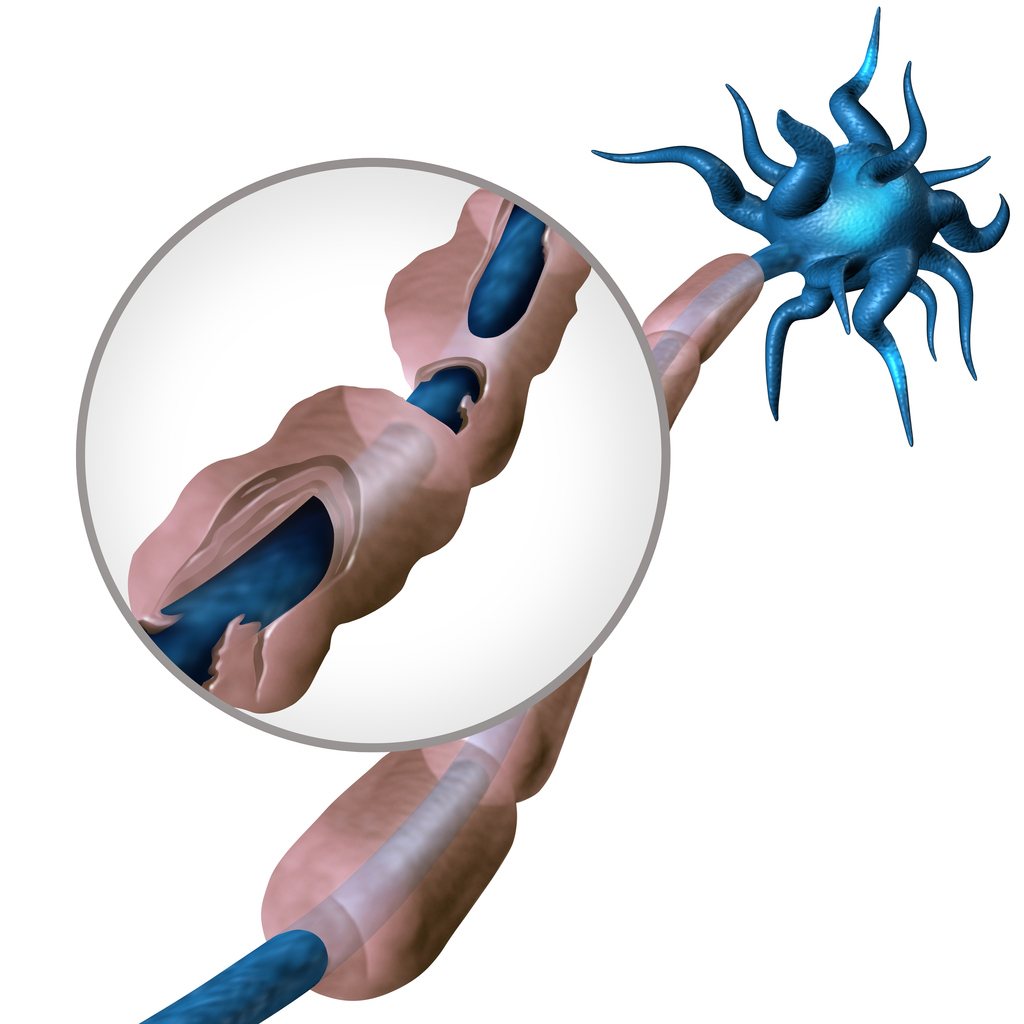
OCD is closely linked to disruptions in serotonin, dopamine, and GABA signaling. Nutritional factors, including amino acid availability, methylation status, and specific micronutrients, directly influence how well the brain produces and regulates these neurotransmitters. Specialized nutrition support for children focuses on optimizing these levels to help quiet the 'looping' thoughts often associated with pediatric OCD.
Pyrrole Disorder
Pyrrole disorder causes the body to chronically deplete zinc and B6, two nutrients critical for neurotransmitter production and stress regulation. The resulting deficiency often manifests as severe anxiety, emotional reactivity, and obsessive or rigid thinking patterns.

Copper Toxicity
Elevated copper suppresses dopamine and raises norepinephrine, creating a brain chemistry profile associated with anxiety, paranoia, racing thoughts, and OCD-like behaviors. Copper imbalance is common and frequently goes undetected.
Gut-Brain Connection
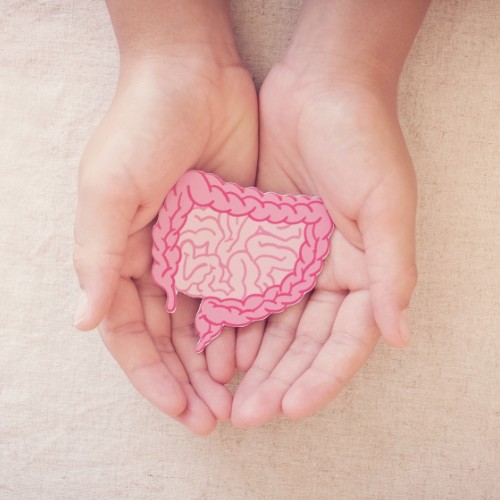
The gut and brain are in constant communication. Gut dysbiosis and intestinal inflammation can disrupt neurotransmitter production, increase systemic inflammation, and worsen OCD symptoms. Supporting gut health is often a meaningful piece of OCD recovery.

Nutrient Deficiencies
Low zinc, magnesium, B6, and B12 are consistently found in people with OCD. These nutrients are foundational to the biochemical pathways that regulate mood, thought, and behavior. Correcting deficiencies through targeted nutrition can create a measurable shift. Because zinc plays a critical role in serotonin and dopamine synthesis, some individuals may benefit from zinc nutrition support to help stabilize these pathways.
What Clients Often Notice Over Time
Everyone’s experience is different, but clients working with a functional nutritionist for OCD commonly report:
-
Reduced frequency and intensity of intrusive thoughts
-
Less urgency around compulsive rituals
-
Greater emotional stability and stress tolerance
-
Improved sleep and physical tension
-
Better focus and mental clarity
-
A sense of more space between the thought and the reaction
-
Improved quality of life for the whole family, particularly when supporting a child with OCD
There are no overnight fixes. But when the biochemical environment of the brain is properly supported, many people experience changes that therapy alone was unable to produce.
Am I the Right Fit for You?
A Good Fit If:
- You or your child are dealing with OCD and feel something is being missed
- You’ve tried therapy or medication but haven’t found complete relief
- You want to understand the biochemical factors driving OCD symptoms
- You’re open to personalized nutrition and targeted supplementation
Not a Good Fit if:
- You’re looking for a quick fix
- You want a medical diagnosis or medication changes
- You’re not open to adjusting food or lifestyle habits
- You’re not open to taking targeted nutritional supplements
Functional Nutrition for OCD: Common Questions
Can a nutritionist actually help with OCD?
Yes, though not in the same way as therapy or medication. A functional nutritionist for OCD looks at the biochemical environment driving the condition: methylation, copper levels, neurotransmitter imbalances, gut health, and nutrient status. Correcting these underlying factors can meaningfully reduce OCD symptoms, and for many people, this is the missing piece that other approaches didn’t address.
How is functional nutrition different from standard nutrition advice?
Standard nutrition focuses on general healthy eating. Functional nutrition goes deeper, using lab data and detailed symptom assessment to identify specific biochemical imbalances. For OCD, this means looking at methylation type, copper and zinc levels, gut health, and neurotransmitter pathways, not just food quality.
Do I need to stop my medication or therapy to work with you?
No. I don’t advise on medications or ask you to change your current treatment plan. Nutrition support works alongside your existing care, and I regularly collaborate with therapists and physicians who specialize in OCD.
Do you work with children who have OCD?
Yes. I have extensive experience supporting children and adolescents with OCD. If OCD symptoms came on suddenly or escalated rapidly in your child, I can also help you look into whether PANS or PANDAS may be a contributing factor, as these immune-driven conditions have a strong nutritional component.
What is the connection between OCD and undermethylation?
Undermethylation is a biochemical pattern in which the body under-produces certain neurotransmitters, particularly serotonin and dopamine. This creates the internal tension and rigid thought patterns commonly seen in OCD. It is one of the most well-documented nutritional connections to OCD and responds well to targeted supplementation.
Do you require lab testing?
Labs are an important part of the process. They help me understand your specific biochemistry rather than guessing. I’ll guide you on exactly which tests are most relevant for OCD.
Is this available if I don't live in North Carolina?
Yes. All sessions are virtual. I work with clients across North Carolina, the United States, and worldwide.
How long before I notice results?
It varies by individual and by how many layers of imbalance are involved. Some people notice meaningful shifts within the first month. Others need several months of gradual adjustment. The focus is always on sustainable, root-cause change rather than short-term symptom masking.
Ready to Take the Next Step?
OCD doesn’t have to define your daily life or your child’s. If you’ve been searching for a functional nutritionist for OCD who goes beyond surface-level advice and actually investigates what’s driving your symptoms, this is where to start.
Book your free consultation and find out what a personalized, biochemistry-focused approach can do.