








Histamine Intolerance Nutritionist
One-on-One Functional Nutrition Support | Virtual Appointments Available
If you experience flushing, headaches, digestive upset, anxiety-like symptoms, or food reactions that seem unpredictable, histamine intolerance may have come up in your search for answers.
As a functional nutritionist, I help clients understand how food, gut health, nutrient status, and lifestyle factors may influence histamine balance. Nutrition support focuses on identifying patterns and building tolerance over time rather than long-term restriction.
As Seen in and Worked With:


Does This Sound Like You?
- Food reactions that change day to day
- Flushing, itching, or sinus pressure after meals
- Headaches or migraines linked to food
- Digestive discomfort without a clear cause
- Anxiety, restlessness, or sleep issues after eating
- Confusion about “safe” foods
Histamine issues are rarely caused by a single food. Symptoms often reflect a bigger picture involving gut health, stress, and nutrient balance.
Who I Am and How I Help with Histamine Intolerance
I’m Samantha Gilbert, a certified functional nutrition counselor with over 20 years of experience supporting individuals with complex digestive and immune-related challenges.
I help you understand how digestion, nutrient status, gut integrity, and nervous system stress may influence histamine response. My role is to provide nutrition education and therapeutic guidance, not medical diagnosis or allergy treatment.
When appropriate, I collaborate with your healthcare providers to support safe, coordinated care.
Why My Clients Trust Me:
- Over two decades of experience in functional nutrition
- Education-first, evidence-informed approach
- Focus on food tolerance, not permanent restriction
- One-on-one guidance tailored to real life
- Real stories of success from people like you
How Histamine Nutrition Support Works
The process is structured but flexible, so changes feel manageable.

Free Consultation
We discuss your symptoms, history, and goals to determine whether nutrition support is a good fit.

Personalized Assessment
I review food patterns, digestive health, stress load, and relevant lab information to understand your individual picture.

Customized Nutrition Plan
You receive individualized nutrition strategies focused on reducing triggers while supporting tolerance and nourishment.

Ongoing Support and Adjustments
Your plan evolves based on feedback, symptom patterns, and real-life response.
Testimonials from Happy (and Healthy) Clients
I would like to think Samantha Gilbert for outstanding discernment and help over this past year. I came to her very tired, always napping, feeling weak, unbalanced (from having MD), finding myself sluggish most days and frequently dealing with migraines. in addition to all this, my digestive system was a mess and had been for years. Specific blood testing ordered by Samantha, Showed that I was very under methylated with high a high histamine level. This combination can be a precursor to diseases, including cancers.
It also explained why I was exhausted and why my body felt so out of balance. Based on the test results and her vast knowledge of microbiotics, and how the micro biome works, Samantha was able to put together a plan of action for me, including supplements and changes in diet. Within less than six months, I was feeling better. My histamine level returned to a normal number, and I was no longer under methylated. I was sleeping through the night, no longer napping, my digestive system had improved significantly, and I was no longer having migraines.
Not only this, but upon standing, I had had difficulties with balance issues. I noticed that my balance improved significantly. That was a surprise to the both of us! All I can say is this, God bless you, Samantha. You know what you’re doing.
verified customer
verified customer
How Nutrition Plays a Role in Histamine Intolerance
From a functional nutrition perspective, histamine symptoms are often influenced by deeper patterns such as:

Gut Health and Enzyme Activity
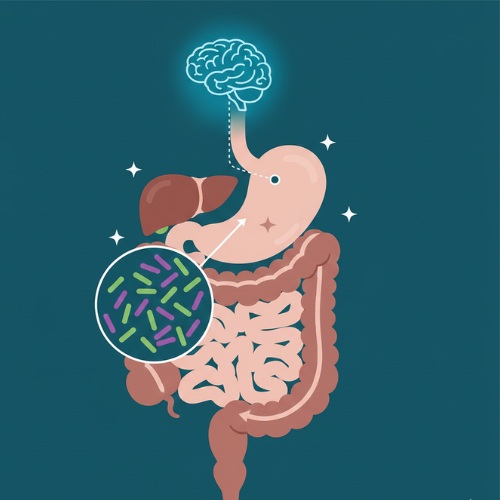
Digestive imbalances and histamine producing microbes can affect how histamine is broken down and cleared in the body.
Nutrient Deficiencies
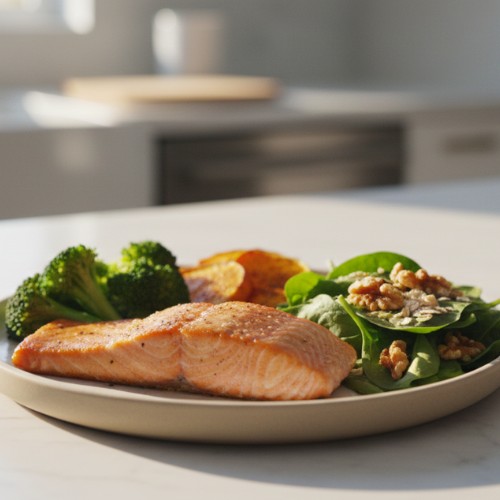
Nutrient imbalances such as vitamin B6, copper, zinc, and vitamin C may influence histamine metabolism.

Food Freshness and Storage
Histamine levels rise in foods over time, even in foods considered “healthy.”
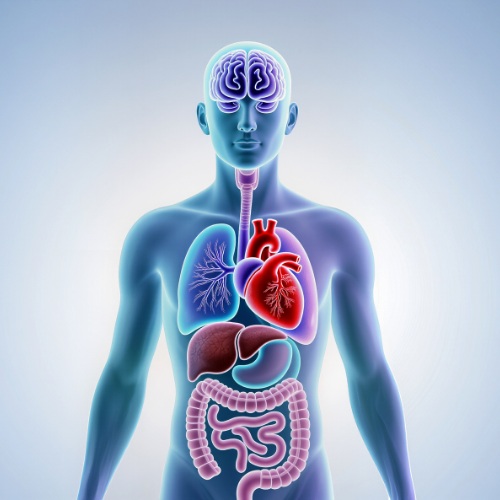
Stress and Nervous System Load
Chronic stress can increase histamine release and lower tolerance thresholds.
Inflammatory and Immune Factors
Ongoing inflammation may contribute to heightened sensitivity and symptom flares.
What Clients Often Notice Over Time
While each person is different, clients commonly report:
- Fewer unpredictable food reactions
- Improved digestion and meal tolerance
- Reduced flushing or headache frequency
- Better confidence around food choices
- Less fear and restriction around eating
Is this the right fit for you?
Good fit if:
- You want nutrition support for histamine-related symptoms
- You’re overwhelmed by conflicting food lists
- You want to improve tolerance, not eliminate everything
- You’re open to gradual, personalized changes
Not a good fit if:
- You’re looking for a permanent “safe food” list
- You want medical diagnosis or allergy treatment
- You’re not open to adjusting food or lifestyle habits
- You want rigid rules without flexibility
Histamine Intolerance Nutrition Support – Common Questions
Here are answers to some frequently asked questions that may help if you need assistance or have any inquiries.
What’s the difference between histamine intolerance and a food allergy?
Histamine intolerance isn’t a classic immune allergy. Instead, it’s thought to involve difficulty breaking down histamine in foods, which can lead to symptoms that mimic allergies. True food allergies involve immune responses that tend to show up on allergy tests.
Which symptoms are commonly linked to histamine intolerance?
Symptoms vary but often include headaches or migraines, flushing or skin reactions, digestive discomfort like bloating or diarrhea, brain fog, anxiety, insomnia, and sinus congestion especially after eating high-histamine foods.
Do I need to follow a low-histamine diet forever?
No. Diet changes are often used as a trial period to see if symptoms improve, and foods may be reintroduced to determine personal tolerance. Working with a nutritionist ensures your diet stays balanced and safe.
Why do some foods trigger symptoms while others don’t?
Histamine is naturally present in many foods, and factors like food storage, fermentation, and processing can increase histamine levels. Some substances also affect enzymes that break down histamine, which can make symptoms worse. Microbes that produce histamine in your body also affect how well you tolerate certain foods.
Can nutrition support help me reduce histamine symptoms without extreme restriction?
Yes. A nutritionist can help you identify which foods trigger symptoms, support gut health, and build a balanced, tolerable eating strategy rather than a strict, long-term elimination diet.
Ready to Get Clarity Around Food Reactions?
You don’t need more fear around food. You need guidance that helps your body tolerate food again.
Book your free one-on-one consultation to explore how functional nutrition can support histamine balance.
Histamine Podcast Episodes
Other Services
Food Allergies & Sensitivities
SIBO Nutrition Support
Anxiety & Depression Nutrition
Eating Disorder Nutrition