









Functional Nutritionist for Autism
Offering Virtual Appointments in North Carolina, Across the United States, and Worldwide
Raising a child with autism, or living with it yourself, comes with a unique set of challenges that most conventional approaches only partially address. Behavioral therapy, occupational therapy, and speech therapy all have important roles, but they don’t address what is happening in the body biochemically.
As a functional nutritionist, I work with families and individuals to investigate the nutritional and biochemical factors that influence autism symptoms, including gut health, nutrient deficiencies, methylation imbalances, heavy metals, and food sensitivities, where undermethylation nutrition therapy is often an important part of supporting these pathways.
When these underlying factors are supported, many families see meaningful improvements in behavior, communication, mood, and quality of life.
Book a free one-on-one consultation to find out if functional nutrition support is the right next step for your family.
As Seen in and Worked With:


Does This Sound Like You?
Families and individuals who reach out for autism nutrition support often describe:
- Significant digestive issues including chronic constipation, diarrhea, bloating, or stomach pain
- Extreme picky eating, limited food repertoire, or strong sensory aversions to textures and foods
- Sleep disturbances that affect the whole family
- Behavioral challenges including meltdowns, aggression, self-injury, or intense rigidity around routines
- Difficulty with attention, communication, or social engagement
- Hyperactivity or sensory sensitivities that make daily life overwhelming
- Anxiety, repetitive behaviors, or OCD-like patterns alongside the autism diagnosis
- A feeling that something biological is being missed despite years of therapy and support
- A child who seemed to develop typically and then regressed, or whose symptoms escalated suddenly
Autism is a complex, multifaceted condition. But for many individuals, nutritional and biochemical factors are playing a significant and addressable role in how symptoms present and how severe they feel day to day. Zinc depletion is one of the most common underlying patterns in autism and plays a critical role in brain development and neurotransmitter function, which is why some individuals may require zinc deficiency nutrition support as part of their care.
Who I Am and How I Help With Autism
I’m Samantha Gilbert, a certified functional nutritionist based in North Carolina with over 20 years of experience supporting children and adults with autism, ADHD, OCD, anxiety, and related neurodevelopmental conditions.
My work with autism is grounded in a straightforward principle: the brain and body cannot function optimally when they are biochemically depleted, inflamed, or improperly supported. For many individuals with autism, this is exactly what is happening beneath the surface, and it is addressable through targeted nutritional support. In some cases, elevated copper levels are part of this biochemical picture, making support from a copper toxicity nutritionist an important consideration.
I work with families to investigate gut health, methylation, nutrient status, food sensitivities, and toxic load, and to build a practical, personalized plan that fits the realities of life with autism, including picky eating, sensory challenges, and the demands of a full therapy schedule.
I provide nutrition education and guidance, not diagnosis or medical treatment. I work alongside your existing care team and welcome collaboration with pediatricians, developmental specialists, and therapists.
Why My Clients Trust Me:
- Over 20 years of functional nutrition experience
- Deep experience supporting children and adults with autism and neurodevelopmental conditions
- Practical approach that works within the real constraints of autism families
- Root-cause focus that goes beyond dietary advice to investigate biochemistry
- Real stories of success from families who felt unheard before finding functional nutrition
How Autism Nutrition Support Works
I keep the process clear and supportive so you know what to expect.

Free Consultation
We talk through your child's or your own history, current challenges, and goals to determine whether functional nutrition support is a good fit and what it would realistically look like.

Personalized Assessment
I review food intake, symptom patterns, gut health history, and relevant lab information to build a clear picture of the biochemical factors at play.

Customized Nutrition Plan
You receive a personalized plan built around your individual biochemistry and practical circumstances, not a one-size-fits-all autism diet.

Ongoing Support and Adjustments
Progress with autism nutrition takes time and patience. Your plan is refined continuously based on real-life feedback, tolerance, and how the body responds at each stage.
Testimonials from Happy (and Healthy) Clients
I came to Sami to help us with our boys who are both diagnosed with Autism Spectrum Disorder, Apraxia and Sensory Processing Disorder. Sami is incredibly knowledgeable about all things nutrition, methylation and lifestyle. She was able to run tests that gave us valuable insights. I sought her expertise as I had felt my own research on food and nutrients could only take me so far. Every piece of advice she gave us was so integral to our healing journey. After implementing her protocols for our twin boys we started to get more sounds/language than ever before – it was amazing to see their bodies responding so well and they continue to make gains. Their overall mood, energy, appetite and happiness is the best it has ever been. She opened our eyes to what healthy living really means and how we can best optimize the food and water we are feeding our children. I now know what questions to ask and how to best source quality food for our family.
verified customer
How Nutrition Plays a Role in Autism
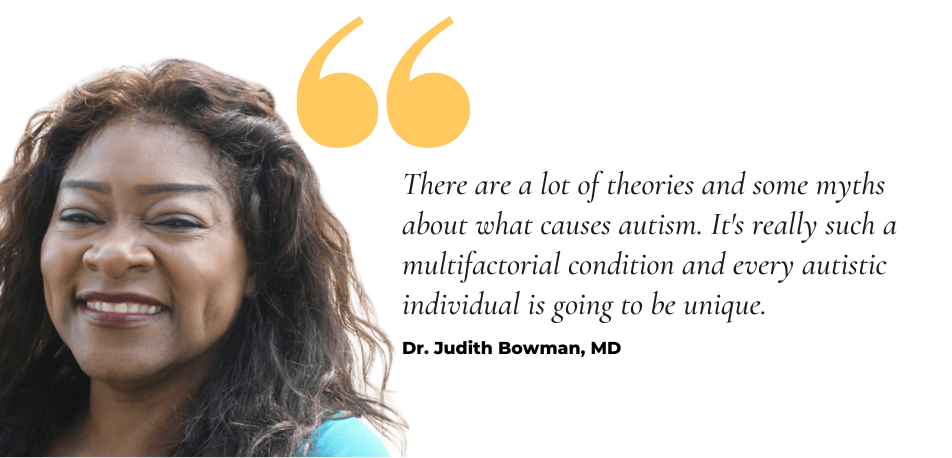
From a functional nutrition perspective, autism is influenced by multiple underlying causes. Common patterns include:

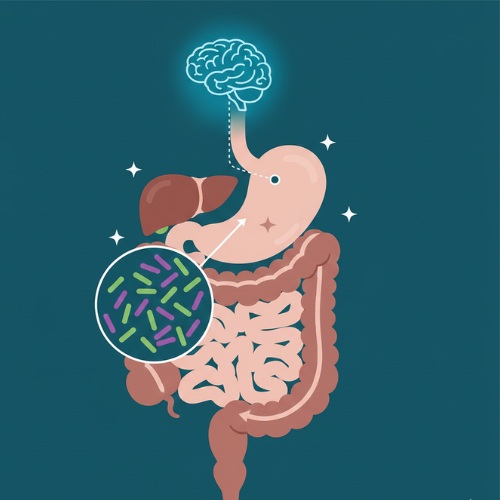
Gut Health and the Gut-Brain Axis
Gut problems are among the most common and distressing issues for individuals with autism. Many have leaky gut, dysbiosis, chronic inflammation, or overgrowth of harmful bacteria and yeast. These gut issues directly affect brain function, neurotransmitter production, behavior, and mood through the gut-brain axis. Restoring gut health is often the most impactful place to begin.

Methylation Imbalances
Many individuals with autism have disrupted methylation pathways, particularly involving folate and B12 metabolism. These disruptions affect detoxification, neurotransmitter production, gene expression, and the body's ability to clear toxins. Addressing methylation through targeted nutritional support is a cornerstone of the functional approach to autism.

Nutrient Deficiencies
Vitamin D, zinc, magnesium, B6, B12, iron, and omega-3 fatty acids are consistently found to be low in individuals with autism. Picky eating, poor absorption, and increased metabolic demand all contribute. These deficiencies affect every aspect of brain development and function, and correcting them can produce measurable improvements in attention, behavior, and mood.
In some cases, these deficiencies are driven by underlying conditions such as pyrrole disorder, which can significantly deplete zinc and vitamin B6, making support from a pyrrole disorder nutritionist important.

Food Sensitivities and Immune Reactivity
Many individuals with autism have immune reactions to gluten, casein, and other common foods that increase gut inflammation, worsen behavioral symptoms, and impair cognitive function. Identifying and addressing these sensitivities can be a meaningful part of the nutritional picture.

Toxic Load and Detoxification Impairment
Many individuals with autism have impaired detoxification pathways, making them more vulnerable to the accumulation of heavy metals and environmental toxins. Nutritional support for detoxification, particularly through methylation and glutathione pathways, is an important consideration in the functional autism approach.

Mitochondrial and Energy Metabolism
Some individuals with autism have mitochondrial dysfunction that affects energy production, cognitive function, and physical stamina. Nutritional support for mitochondrial health, including specific B vitamins, coenzyme Q10, and other targeted nutrients, can help improve energy, focus, and overall function.
What Families Often Notice Over Time
Every individual’s experience is different, but families working with a functional autism nutritionist commonly report:
-
Improved gut comfort and more regular digestion
-
Better sleep quality and duration
-
Calmer behavior and fewer meltdowns
-
Improved attention and engagement
-
Broader food acceptance over time
-
Reduced anxiety and sensory reactivity
-
Improved language and communication in some children
-
Greater physical energy and stamina
-
A stronger foundation from which other therapies can be more effective
Nutritional progress with autism takes patience and consistency. But for many families, it becomes the piece that makes everything else work better.
Am I the Right Fit for You?
A Good Fit If:
- You have a child or family member with autism and feel the biological side of the condition has never been fully explored
- Your child has significant gut issues, picky eating, sleep problems, or behavioral challenges alongside their autism diagnosis
- You want to understand the biochemical factors influencing your child’s symptoms
- You are open to personalized nutrition and targeted supplementation
Not a Good Fit if:
- You are looking for a quick fix or a single dietary change that resolves everything
- You want a medical diagnosis or behavioral intervention
- You are not open to adjusting food or lifestyle habits
- You are not open to targeted nutritional supplementation
Autism Nutrition: Common Questions
Can a nutritionist actually help with autism?
Yes, and it’s designed to work alongside other therapies. A functional autism nutritionist investigates the biochemical factors that influence how autism symptoms present, including gut health, nutrient status, methylation, food sensitivities, and toxic load. Addressing these factors can meaningfully improve quality of life, behavior, and physical health for many individuals with autism.
My child is an extremely picky eater. Can nutrition still help?
Yes. Picky eating is one of the most common concerns I hear from autism families, and it is something I work with regularly. Picky eating in autism is often driven by sensory processing differences, gut dysbiosis, zinc deficiency, and food sensitivities. I build plans that start from where the child actually is and expand tolerance gradually rather than pushing unrealistic dietary overhauls.
Is there a specific autism diet you recommend?
I don’t apply a single autism diet to everyone. The research on diets like gluten-free casein-free is promising for some individuals but not universally applicable. My approach starts with lab testing and individual assessment to identify what is specifically driving symptoms, then builds a nutritional plan around those findings.
Do you work with adults with autism?
Yes. While much of my autism nutrition work is with children, I also support autistic adults who are dealing with gut issues, energy problems, mood challenges, or other health concerns connected to their neurobiology.
How does this work alongside ABA, speech therapy, or occupational therapy?
Nutritional support is designed to complement these therapies, not compete with them. Many families find that when gut health, nutrient status, and biochemistry are better supported, their child gets more out of behavioral and developmental therapies. I welcome collaboration with the full care team.
Do you require lab testing?
Yes, labs are central to the process. They allow me to see what is actually happening biochemically rather than guessing, and they make the nutritional plan far more targeted and effective. I’ll guide you through exactly which tests are most relevant for autism.
Is this available if I don't live in North Carolina?
Yes. All sessions are virtual. I work with families across North Carolina, the United States, and worldwide.
How long before we see changes?
Gut healing and biochemical rebalancing take time. Some families notice improvements in sleep, digestion, or behavior within the first few month. Others see gradual shifts over several months. The timeline depends on how many layers of imbalance are involved and how well the plan can be implemented at home.
Ready to Take the Next Step?
Your child’s diagnosis does not have to be the ceiling of what is possible. If you are looking for a functional autism nutritionist who will take the biological side of autism seriously and build a plan around your child’s unique biochemistry, this is where to start.
Book your free consultation and find out what personalized nutritional support can do for your family.