








Functional Nutritionist for ADHD

Offering Virtual Appointments in North Carolina, Across the United States, and Worldwide

If you or your child has ADHD or ADD and you feel like medication is managing symptoms but not actually solving anything, you are not alone. Many families reach a point where they want to understand what is driving the condition, not just suppress it.

As a functional ADHD nutritionist, I go beyond general healthy eating advice to investigate the specific biochemical imbalances that affect focus, impulse control, mood regulation, and behavior.

Nutrient deficiencies, methylation patterns, gut health, and blood sugar dysregulation all play a measurable role in how ADHD presents, and in many cases working with an undermethylation nutritionist can help address one of the primary biochemical drivers.

Book a free one-on-one consultation to find out if functional nutrition is the right next step for you or your child.

A top-down view of a pregnant woman in a white shirt and blue trousers cradling her belly, symbolizing healthy weight gain during pregnancy and prenatal nutrition support for maternal wellness.

As Seen in and Worked With:

Does This Sound Like You?

People who reach out for ADHD nutrition support often describe:

  • Difficulty sustaining attention on tasks that aren’t immediately interesting or stimulating
  • Impulsivity that creates problems at school, work, or in relationships
  • Hyperactivity, restlessness, or an inability to sit still and feel calm
  • Emotional dysregulation, quick frustration, or intense reactions to small setbacks
  • Chronic disorganization, forgetfulness, or difficulty following through on plans
  • Sleep problems, including difficulty winding down or waking feeling unrefreshed
  • Inconsistent eating patterns, strong food cravings, or appetite changes related to medication
  • A child whose ADHD symptoms are affecting school performance, friendships, or daily family life
  • Trying stimulant medication with partial relief or unwanted side effects

Medication can play an important role for many people with ADHD. But it doesn’t address the nutritional and biochemical environment in which the brain is operating. That is where functional nutrition comes in.

Top Nutritional Therapist from Eat for Life

Who I Am and How I Help With ADHD

I’m Samantha Gilbert, a certified functional nutritionist based in North Carolina with over 20 years of experience supporting children and adults with ADHD, anxiety, depression, OCD, and autism.

My approach to ADHD is rooted in one core principle: symptoms are signals. Inattention, hyperactivity, and impulsivity are the brain’s response to an internal biochemical environment that isn’t fully supported. My job is to investigate what that environment looks like for you or your child specifically, identify the imbalances, and create a personalized nutrition plan to address them.

In some cases, elevated copper levels can overstimulate the nervous system and contribute to these symptoms, which is why working with a copper toxicity nutritionist may be an important part of the process.

I provide nutrition education and guidance, not diagnosis or medical treatment. I regularly collaborate with pediatricians, psychiatrists, and behavioral therapists to support coordinated, whole-person care.

Why My Clients Trust Me:

  • Over 20 years of functional nutrition experience
  • Extensive experience supporting children and adults with ADHD and ADD
  • Deep specialization in the biochemical and nutritional drivers of attention and behavior
  • Root-cause approach that goes beyond symptom management
  • Real stories of success from clients and families

How ADHD Nutrition Support Works

I keep the process clear and supportive so you know what to expect.

Free Consultation

We talk through symptoms, history, and goals for you or your child to determine whether functional nutrition support is the right fit.

Personalized Assessment

I review food patterns, lifestyle, relevant lab information, and symptom history to build a clear picture of the biochemical factors involved in the ADHD presentation.

Customized Nutrition Plan

You receive a personalized roadmap, not a generic ADHD diet, built around the specific imbalances identified for you or your child.

Ongoing Support and Adjustments

The plan is refined over time based on real-life feedback and how the brain and body respond, because ADHD is complex and support should be too.

Eat for Life white icon

Testimonials from Happy (and Healthy) Clients

Samantha Gilbert of Eat for Life Truly Saved My Life! I can’t say enough good things about Samantha Gilbert and her work at Eat for Life. Working with her has literally transformed my life in ways I never thought possible. For two long, exhausting years, I was trapped in what felt like medical hell.

I saw countless specialists, underwent endless procedures and tests, and spent over $70,000 on treatments that did absolutely nothing to help me. I was desperate, hopeless, and felt like I was running out of options. That’s when I discovered Samantha. From our very first session, her expertise, compassion, and personalized approach stood out. She doesn’t just treat symptoms – she digs deep to uncover the root causes using functional nutrition and targeted guidance tailored to your unique biochemistry.

Her knowledge is incredible, backed by years of experience helping people with complex health issues, and she explains everything in a clear, empowering way. But what truly sets Samantha apart is her genuine care and friendship. She became more than a coach – she was a lifeline, cheering me on every step of the way, celebrating wins, and providing unwavering support during setbacks.

Thanks to her, I finally started healing in ways traditional medicine never achieved for me. My energy is back, my health is restored, and I feel like I’ve reclaimed my life. If you’re struggling and feeling lost like I was, do yourself a favor and reach out to Samantha at Eat for Life. She’s a rare gem – knowledgeable, empathetic, and truly life-changing. I am forever grateful!

RoseAnna “R Malherbe” M

verified customer

How Nutrition Plays a Role in ADHD

From a functional nutrition perspective, ADHD symptoms are influenced by far more than brain structure alone. The most common underlying patterns I investigate include:

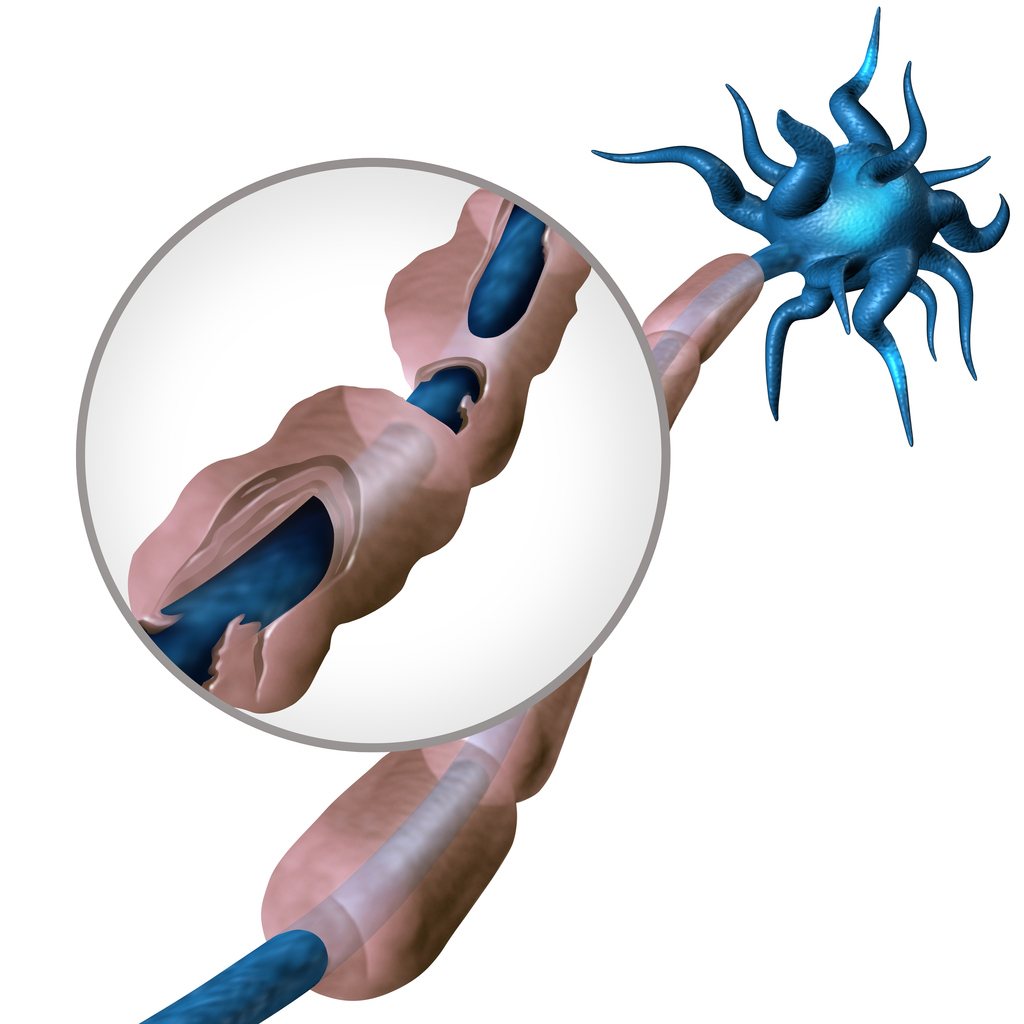
A medical diagram of a neuron illustrating Multiple Sclerosis (MS), with a magnifying glass showing the breakdown of the myelin sheath (demyelination) compared to a healthy nerve fiber.

Dopamine and Neurotransmitter Pathways

ADHD is closely linked to low dopamine activity in the brain's attention and reward circuits. The nutrients required to produce and regulate dopamine, including zinc, vitamin B6, and specific amino acids, are frequently depleted in people with ADHD. Supporting these pathways nutritionally can make a meaningful difference in focus, motivation, and impulse control. In cases where zinc depletion is more significant, working with a zinc deficiency nutritionist can help restore these pathways more effectively.

A 3D molecular ball-and-stick model representing complex biochemical patterns, illustrating the role of methylation support and metabolic pathways in functional nutrition.

Methylation Imbalances

Both undermethylation and overmethylation affect how the brain produces and breaks down neurotransmitters. Identifying your methylation type is a key step in understanding why ADHD presents the way it does, and in tailoring a nutritional protocol that works with your individual biochemistry rather than against it. In cases where excess neurotransmitter activity is present, working with an overmethylation nutritionist can help guide a more targeted approach.
Pyrolle Disorder Nav Image

Pyrrole Disorder

Pyrrole disorder (pyroluria) chronically depletes zinc and vitamin B6, two nutrients critical for dopamine and serotonin production, stress tolerance, and emotional regulation. It is extremely common in people with ADHD and frequently goes undiagnosed. Addressing pyrrole disorder can produce significant improvements in behavior, attention, and emotional stability.

A plate of pan-seared salmon, steamed broccoli, and a fresh spinach salad with walnuts, representing functional nutrition protocols for correcting nutrient deficiencies and supporting metabolic health.

Nutrient Deficiencies

Research consistently links ADHD severity with low levels of zinc, magnesium, fatty acids, and vitamin D. These are not optional extras for brain function. They are foundational. Standard diets, picky eating common in children with ADHD, and medication side effects that suppress appetite all compound the risk of these deficiencies.
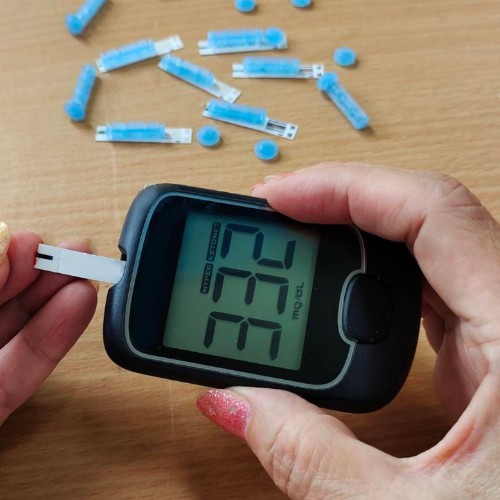
A close-up of a person using a digital glucose meter to check their blood sugar levels, symbolizing functional nutrition support for insulin resistance, type 2 diabetes, and metabolic health.

Blood Sugar Dysregulation

Unstable blood sugar directly impairs focus, patience, and emotional regulation. For many people with ADHD, the pattern of skipping meals, craving sugar, or eating erratically creates a cycle of brain energy crashes that makes symptoms significantly worse throughout the day.

A pair of hands gently cradling an illustration of the human digestive tract, symbolizing supportive care for leaky gut syndrome, inflammatory bowel issues, and gut microbiome restoration.

Gut Health and the Gut-Brain Axis

The gut produces a large portion of the brain's neurotransmitters and is in constant communication with the central nervous system. Dysbiosis, leaky gut, and food sensitivities can all worsen ADHD symptoms by increasing systemic inflammation and disrupting dopamine and serotonin production at the source.


Eat for Life Icon 2

What Clients Often Notice Over Time

Every person’s experience is different, but clients working with a functional ADHD nutritionist commonly report:

There are no overnight transformations. But when the brain has the biochemical support it needs, the improvements that follow are real, measurable, and lasting.

Functional Nutritionist Samantha Gilbert from Eat for Life holding a sign which says you are not alone

Am I the Right Fit for You?

A Good Fit If:

  • You or your child have ADHD or ADD and feel the underlying causes have never been fully explored
  • You want to understand the biochemical factors driving attention and behavior
  • You have tried medication but want to address root causes alongside it
  • You are open to personalized nutrition and targeted supplementation

Not a Good Fit if:

  • You are looking for a quick fix
  • You want a medical diagnosis or medication management
  • You are not open to adjusting food or lifestyle habits
  • You are not open to taking targeted nutritional supplements

ADHD Nutrition: Common Questions

Can a nutritionist actually help with ADHD?

Yes, though in a different way than medication. A functional ADHD nutritionist investigates the biochemical factors influencing attention, behavior, and mood: nutrient status, methylation, dopamine pathway support, gut health, and blood sugar regulation. When these factors are addressed, many people experience meaningful and lasting improvement in ADHD symptoms.

General healthy eating is a good start but it doesn’t identify your specific imbalances. Functional nutrition for ADHD involves detailed symptom assessment and lab testing to pinpoint what is actually depleted or disrupted in your individual biochemistry, then builds a plan around that rather than general food quality guidelines.

Yes. Nutrition support works alongside existing medical treatment. I don’t advise on medication changes, but many families find that addressing nutritional imbalances improves how their child responds to medication and, over time, may reduce the dose needed, in coordination with their prescribing physician.

Yes. Adult ADHD is a significant area of my practice. The same biochemical patterns, including methylation, pyrrole disorder, dopamine support, and gut health, are just as relevant for adults as they are for children.

Yes, and this is very common. Picky eating in children with ADHD is often connected to sensory processing, gut dysbiosis, or nutritional deficiencies themselves. I factor this into the plan and work with what is realistic for the family rather than pushing an idealized diet the child won’t follow.

Labs are an important part of the process. They help me understand the specific biochemical picture for you or your child so the plan is targeted, not guesswork. I’ll guide you on exactly which tests are most relevant.

Yes. All sessions are virtual. I work with clients across North Carolina, the United States, and worldwide.

It varies depending on how many layers of imbalance are involved. Some families notice meaningful changes in behavior or focus within the first few weeks. Others need gradual adjustments over several months. The focus is always on sustainable, root-cause change.

Ready to Take the Next Step?

ADHD doesn’t have to mean a lifetime of managing symptoms without ever understanding their source. If you are looking for a functional ADHD nutritionist who will dig into what is actually driving the condition and build a plan around your unique biochemistry, this is where to start.

Book your free consultation and find out what personalized, root-cause nutrition support can do for you or your child.


Eat for Life Icon 2

ADHD Articles

Eat for Life Icon 2

ADHD Podcast Episodes