








Functional Nutritionist for Depression and Anxiety
Offering Virtual Appointments in North Carolina, Across the United States, and Worldwide
If you’ve been struggling with depression, anxiety, or both, and feel like nothing has fully resolved the problem, you’re not alone. You may have tried medication and therapy, yet you realize something deeper is still missing.
As a certified functional nutritionist for depression and anxiety, I look at what’s happening beneath the surface: nutrient imbalances, gut health, methylation patterns, toxic metals, neurotransmitter support, and blood sugar dysregulation that may be driving or worsening how you feel.
Book a free one-on-one consultation to find out if functional nutrition is the missing piece for you.
As Seen in and Worked With:


Does This Sound Like You?
People who reach out for nutritional support for depression and anxiety often describe:
- Persistent low mood, sadness, or emotional flatness that doesn’t seem to lift
- Chronic worry, nervousness, or a sense of dread that feels out of proportion
- Fatigue and low motivation, even after sleeping
- Brain fog, poor concentration, or difficulty making decisions
- Irritability, mood swings, or feeling emotionally reactive
- Sleep disturbances, trouble falling asleep, staying asleep, or waking unrefreshed
- Digestive issues, appetite changes, or strong food cravings
- A feeling that medications or therapy haven’t addressed the full picture
You may have already tried antidepressants, anti-anxiety medications, or talk therapy. While these can be helpful, they don’t address what’s happening at a biochemical level in your body.
Who I Am and How I Help with Depression and Anxiety
I’m Samantha Gilbert, a certified functional nutritionist based in North Carolina with over 20 years of experience helping people with depression, anxiety, OCD, ADHD, and other mood-related concerns.
My approach starts with a simple premise: depression and anxiety are symptoms, not root causes. My job is to help uncover the underlying biochemical imbalances, whether that’s undermethylation, pyrrole disorder, copper toxicity, gut dysbiosis, or nutrient depletion, and create a personalized nutrition roadmap to address them.
I provide nutrition education and guidance, not diagnosis or medical treatment. When appropriate, I work alongside your existing healthcare team.
Why My Clients Trust Me:
- Over 20 years of functional nutrition experience
- Specialization in mood disorders, mental health, and brain chemistry
- Evidence-informed, root-cause approach
- Experience with methylation, pyrrole disorder, and neurotransmitter imbalances
- Real stories of success from people like you
How Depression and Anxiety Nutrition Support Works
I keep the process clear and supportive so you know what to expect.

Free Consultation
We talk through your symptoms, history, and goals to determine whether functional nutrition support is the right fit for you.

Personalized Assessment
I review your food patterns, lifestyle, and relevant lab information to understand your unique biochemistry and identify potential imbalances.

Customized Nutrition Plan
You receive a personalized nutritional roadmap, not a generic "eat healthy" plan tailored to address what's actually driving your depression or anxiety.

Ongoing Support and Adjustments
Your plan is refined over time based on real-life feedback and how your body responds, because healing isn't linear.
Testimonials from Happy (and Healthy) Clients
Samantha was incredibly helpful with diagnosing me with H. pylori and under methylation. She put together a detailed plan to work on both of these issues.
My gut and bowel movements are in a better place than they’ve been in years. I had chronic loose stools and have had consistent formed stools ever since addressing the H. pylori.
Through working on the under methylation I have felt less triggered by the certain things that set off my OCD and less anxiety overall. I know it can take months and years but I am hopeful for the future!
verified customer
I had severe anxiety, debilitating headaches and extreme fatigue. I had gone to other doctors and specialists for 6 months to be told it was all in my head.
I felt so hopeless and then I found Sami! From my first conversation with her she knew how to help me. She took me through her process and all of my symptoms subsided.
She is extremely knowledgeable, professional, and caring. I highly recommend her!
verified customer
Hear From Clients 😊
“I am so much better, it’s unbelievable”
Annette from Oslo, Norway
How Nutrition Plays a Role in Depression and Anxiety
From a functional nutrition perspective, depression and anxiety are rarely a single-cause issue. The most common underlying patterns I look at include:

Methylation Imbalances
Undermethylation and overmethylation are among the most overlooked drivers of depression and anxiety. They affect neurotransmitter production, including serotonin, dopamine, and norepinephrine, in very different ways. Identifying your methylation type is a critical starting point.

Nutrient Deficiencies
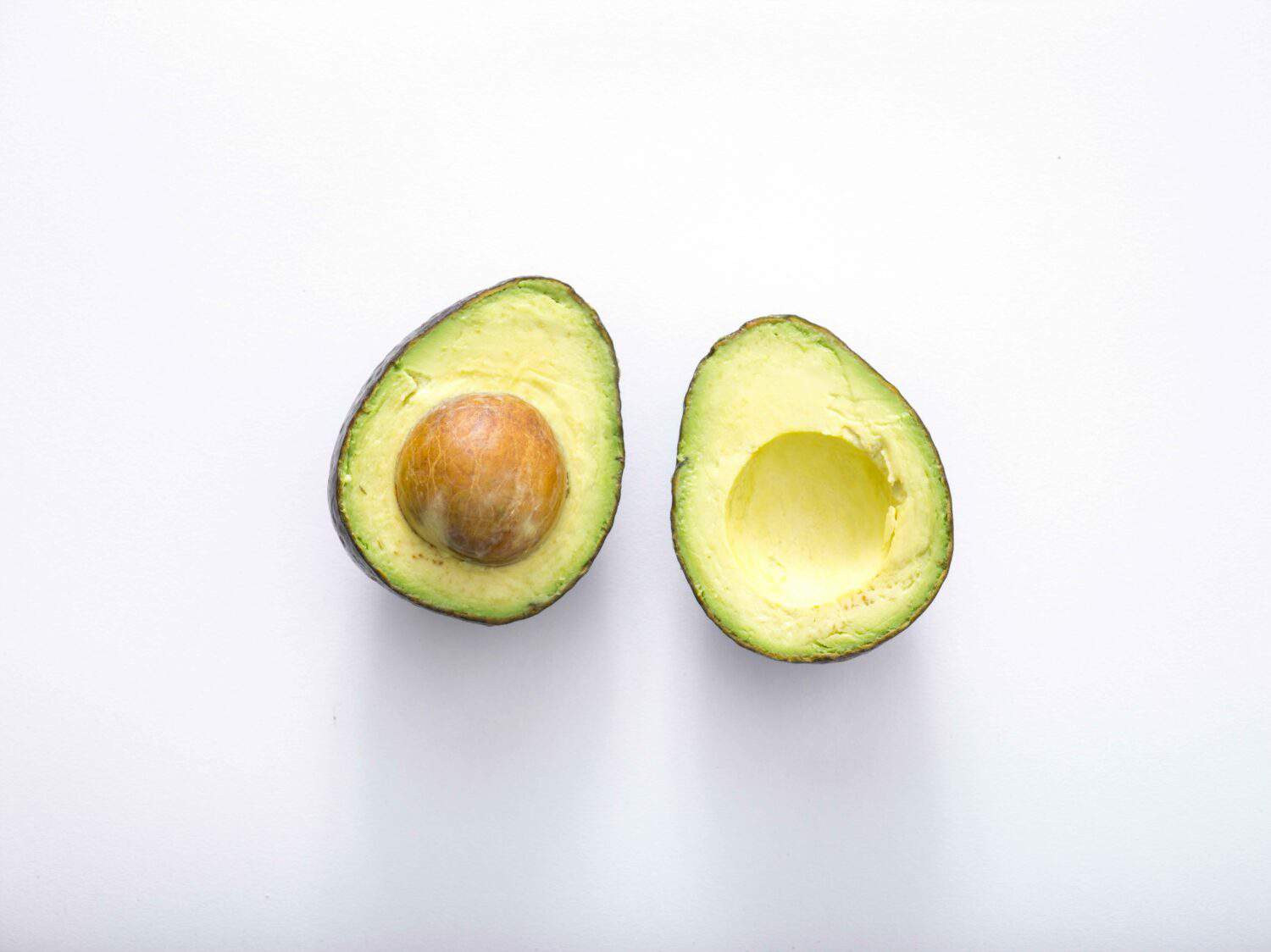
Low levels of zinc, vitamin B6, magnesium, and other key nutrients directly impact mood, stress response, and brain function. These deficiencies are common and often go undetected on standard lab panels. Because zinc depletion is so strongly associated with depression and anxiety and plays a key role in neurotransmitter function, some individuals may require zinc deficiency nutrition therapy to help restore balance.
Pyrrole Disorder
Pyrrole disorder causes the body to deplete zinc and vitamin B6, leading to high anxiety, mood instability, poor stress tolerance, and depression. It's frequently missed in conventional settings but responds well to targeted nutritional support.
Gut-Brain Connection
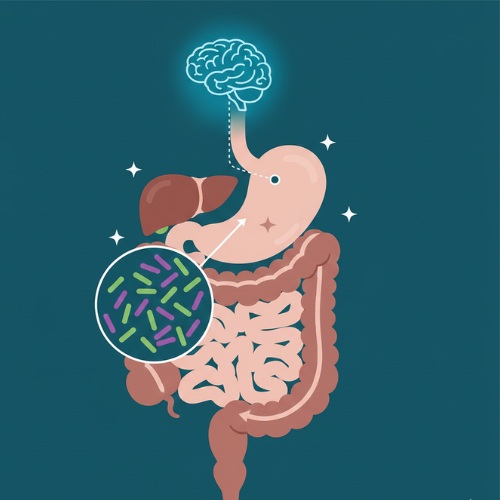
The gut produces a significant portion of the body's serotonin. Poor gut health, inflammation, or dysbiosis can directly affect mood, anxiety levels, and neurotransmitter balance.

Blood Sugar Dysregulation
Unstable blood sugar creates physiological stress responses that mimic and worsen anxiety, and drain the energy and mental clarity needed to cope with depression.

Copper Toxicity
Elevated copper, often undetected, can cause severe anxiety, racing thoughts, paranoia, and depression. This is especially common in women and is a core area of my practice.
What Clients Often Notice Over Time
Everyone’s journey is different, but over time, clients working with a functional nutritionist for depression and anxiety commonly report:
-
Improved mood stability and emotional resilience
-
Reduced anxiety and worry
-
More consistent energy throughout the day
-
Better sleep quality
-
Improved mental clarity and focus
-
Greater sense of calm and emotional groundedness
-
More confidence in understanding their own body
There are no overnight fixes. But with the right nutritional foundation, real and lasting change becomes possible.
Am I the Right Fit for You?
A Good Fit If:
- You’re dealing with depression, anxiety, or both, and feel something is being missed
- You want to understand the biochemical drivers behind your mood
- You’ve tried medications or therapy, but haven’t found full relief
- You’re open to personalized nutrition and targeted supplementation
Not a Good Fit if:
- You’re looking for a quick fix
- You want a medical diagnosis or medication changes
- You’re not open to adjusting food or lifestyle habits
- You’re not open to taking targeted nutritional supplements
Functional Nutrition for Depression & Anxiety: Common Questions
Can a nutritionist actually help with depression and anxiety?
Yes, though not in the way medication does. A functional nutritionist for depression and anxiety looks at the biochemical factors that influence mood: nutrient status, methylation, gut health, blood sugar, and more. When these underlying imbalances are corrected, many people experience meaningful improvement in how they feel.
How is functional nutrition different from standard nutrition advice?
Standard nutrition advice focuses on general healthy eating. Functional nutrition goes deeper, looking at your individual biochemistry, lab results, and symptom patterns to identify specific imbalances. For depression and anxiety, this often means investigating methylation type, copper levels, pyrrole disorder, and gut health, not just diet quality.
Do I need to stop my medication to work with you?
No. I don’t advise on medications or ask you to change them. Nutrition support is designed to complement your existing care, and I collaborate with your healthcare providers when appropriate.
Do you require lab testing?
Labs are an important part of the process. They help me understand your unique biochemistry so I can create a plan that’s specific to you, not generic. I’ll guide you on which tests are most relevant.
Can nutrition help with anxiety that seems to come from nowhere?
Anxiety that appears without an obvious cause is often a sign of biochemical stress, whether from pyrrole disorder, copper toxicity, blood sugar instability, or neurotransmitter imbalances. These are exactly the areas I investigate as a functional nutritionist for anxiety.
Is this available if I don't live in North Carolina?
Yes. All sessions are virtual. I work with clients across North Carolina, the United States, and worldwide as an online nutritionist for anxiety and depression.
How long before I notice results?
It varies. Some clients notice meaningful shifts in energy, mood, or sleep within the first few weeks. Others need gradual adjustments over a few months. The focus is always on sustainable progress rooted in real biochemical change.
Do you work with children who have anxiety or depression?
Yes. I have extensive experience supporting children and adolescents with mood disorders, anxiety, and related conditions. Visit the Child Nutrition Counseling page to learn more.
Ready to Take the Next Step?
You don’t need another generic plan or to be told “everything looks normal.” You need a functional nutritionist for depression and anxiety who will actually dig into what’s driving your symptoms.
Book your free consultation and find out what a personalized, root-cause approach can do for you.