







Functional Nutritionist for Eating Disorders
Offering Virtual Appointments in North Carolina, Across the United States, and Worldwide
Eating disorder recovery is not just about restoring weight or changing behaviors around food. For lasting recovery to happen, the biochemical environment driving those behaviors needs to be addressed too.
As a functional nutritionist for eating disorders, I work with people whose relationship with food has become a source of significant distress, whether that is restriction, bingeing, purging, or an overwhelming preoccupation with food, weight, or body image. My role is to understand what is happening beneath the surface biochemically and to support recovery from that level.
Book a free one-on-one consultation to find out if functional nutrition support is the right fit for your recovery journey.
As Seen in and Worked With:


Does This Sound Like You?
People who reach out for eating disorder nutrition support often describe:
- Restricting food intake, counting calories obsessively, or feeling intense fear around eating
- Episodes of binge eating that feel out of control, followed by guilt or shame
- Purging behaviors including vomiting, laxative use, or excessive exercise to compensate for eating
- A constant preoccupation with food, weight, or body image that interferes with daily life
- Extreme rigidity around food rules, safe foods, or meal routines
- Physical symptoms including fatigue, hair loss, digestive issues, hormonal disruption, or feeling cold constantly
- Anxiety, depression, or OCD-like thought patterns that are closely tied to food and eating
- A history of treatment that addressed behaviors but left underlying drivers unresolved
- A child or teenager whose relationship with food has become a source of concern
Eating disorders are serious and complex conditions. They are also, in many cases, deeply connected to biochemical imbalances that nutrition can meaningfully address as part of a comprehensive recovery plan.
Who I Am and How I Help With Eating Disorders
I’m Samantha Gilbert, a certified functional nutritionist based in North Carolina with over 20 years of experience supporting people with eating disorders, including anorexia, bulimia, binge eating disorder, ARFID, and orthorexia.
My approach to eating disorder recovery goes beyond food behavior. Eating disorders are almost always accompanied by significant biochemical disruption, including severe nutrient depletion, methylation imbalances, hormonal dysregulation, and gut damage. These imbalances perpetuate the psychological and behavioral patterns of the disorder, and they rarely resolve on their own without targeted nutritional support.
I provide nutrition education and guidance, not diagnosis or medical treatment. I work collaboratively with therapists, physicians, and other members of your treatment team to ensure that nutritional support is integrated safely and appropriately into your overall care.
Why My Clients Trust Me:
- Over 20 years of functional nutrition experience
- Extensive experience supporting eating disorder recovery in adolescents and adults
- Deep understanding of the biochemical drivers behind disordered eating patterns
- Collaborative approach that works alongside your existing treatment team
- Real stories of success from clients and families
How My Nutrition Support Works
I keep the process clear and supportive so you know what to expect.

Free Consultation
We talk through your history, current situation, and goals to determine whether functional nutrition support is appropriate and what that support would look like for you.

Personalized Assessment
I review your nutritional status, food patterns, relevant lab work, and symptom history to understand the specific biochemical picture underlying your eating disorder.

Customized Nutrition Plan
You receive a personalized, compassionate nutrition plan built around your individual biochemistry and recovery needs, not a generic meal plan or calorie target.

Ongoing Support and Adjustments
Recovery is not linear. Your plan is adjusted over time based on how you are progressing, how your body is responding, and what is realistic at each stage of your journey.
Testimonials from Happy (and Healthy) Clients
Hi, my name is Christina, and I’m 31 years old. For years, I’ve struggled with severe anxiety, depression, suicidal thoughts, eating disorders, alcoholism, poor sleep, and a variety of physical issues like stomach sensitivity, bloating, mucus and blood in my stool, low libido, and vaginal dryness. The list felt endless. I had sought medical help before, but none of the treatments or answers I received truly addressed my needs until I found Sami.
Through detailed testing, Sami identified that I had chemical imbalances and a bacterial gut infection. Once we discovered these issues, she created a personalized protocol tailored specifically to my body’s needs. The change was incredible, I noticed improvements within weeks!
Now, six months later, after completing Sami’s program, I’ve seen so many positive changes. I’m no longer feeling depressed, my anxiety has greatly decreased, and I handle stress more effectively.
I am not craving or dependent on alcohol, I enjoy eating clean and healthy food without feeling guilt, my focus has improved, and I no longer struggle with brain fog or scattered thoughts. My sleep quality has improved as well, no more tossing and turning from active dreams at night. My digestive health has improved, my menstrual cycles are regular, my skin looks better, my nails are stronger, and my libido has returned to normal with no more dryness! Honestly, the list of positive changes could go on and on.
I am so grateful for being introduced to Sami and for trusting her process and guidance. My husband has witnessed my transformation and is incredibly proud of my progress. He’s even planning to book his own sessions with Sami soon! Thank you, Sami❤️ You’ve truly been a blessing!
verified customer
How Nutrition Plays a Role in Eating Disorder Recovery
Eating disorders cause profound nutritional disruption, and that disruption in turn makes recovery harder. The most important biochemical factors I investigate include:

Severe Nutrient Depletion
Restriction, purging, and disordered eating patterns deplete critical nutrients including zinc, B vitamins, magnesium, iron, and essential fatty acids. These deficiencies directly impair brain function, mood regulation, hormonal balance, and the ability to tolerate the discomfort of recovery. Replenishing them is foundational to healing.
Zinc Deficiency and Appetite Dysregulation
Zinc deficiency is extremely common in eating disorders and creates a self-perpetuating cycle. Low zinc reduces appetite, impairs taste and smell, worsens anxiety, and distorts body image perception. Restoring zinc levels is one of the most important early steps in eating disorder recovery.

Methylation Imbalances
Undermethylation is highly prevalent in people with eating disorders, particularly anorexia. It drives perfectionism, obsessive thinking, rigid food rules, and the intense internal drive to restrict. Addressing methylation status nutritionally can reduce the psychological rigidity that makes recovery so difficult.

Gut Damage and Digestive Disruption
Years of restriction, purging, or laxative use cause significant damage to the gut lining and gut microbiome. This leads to bloating, constipation, pain, and food sensitivities that make eating feel physically uncomfortable and threatening. Rebuilding gut health is a critical and often overlooked part of recovery.
Hormonal Dysregulation
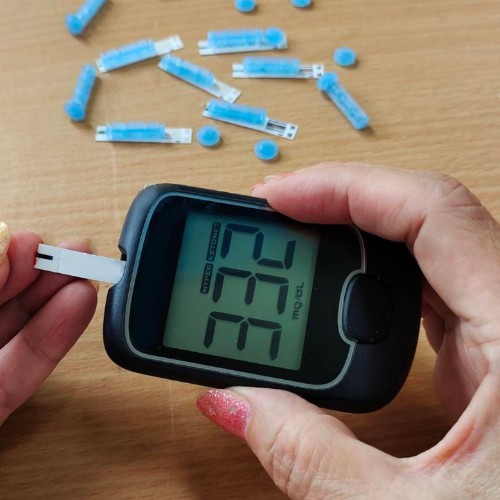
Eating disorders disrupt estrogen, cortisol, thyroid hormones, and insulin in ways that affect mood, energy, bone density, and reproductive health. Nutritional support helps restore hormonal balance as part of a broader recovery process.
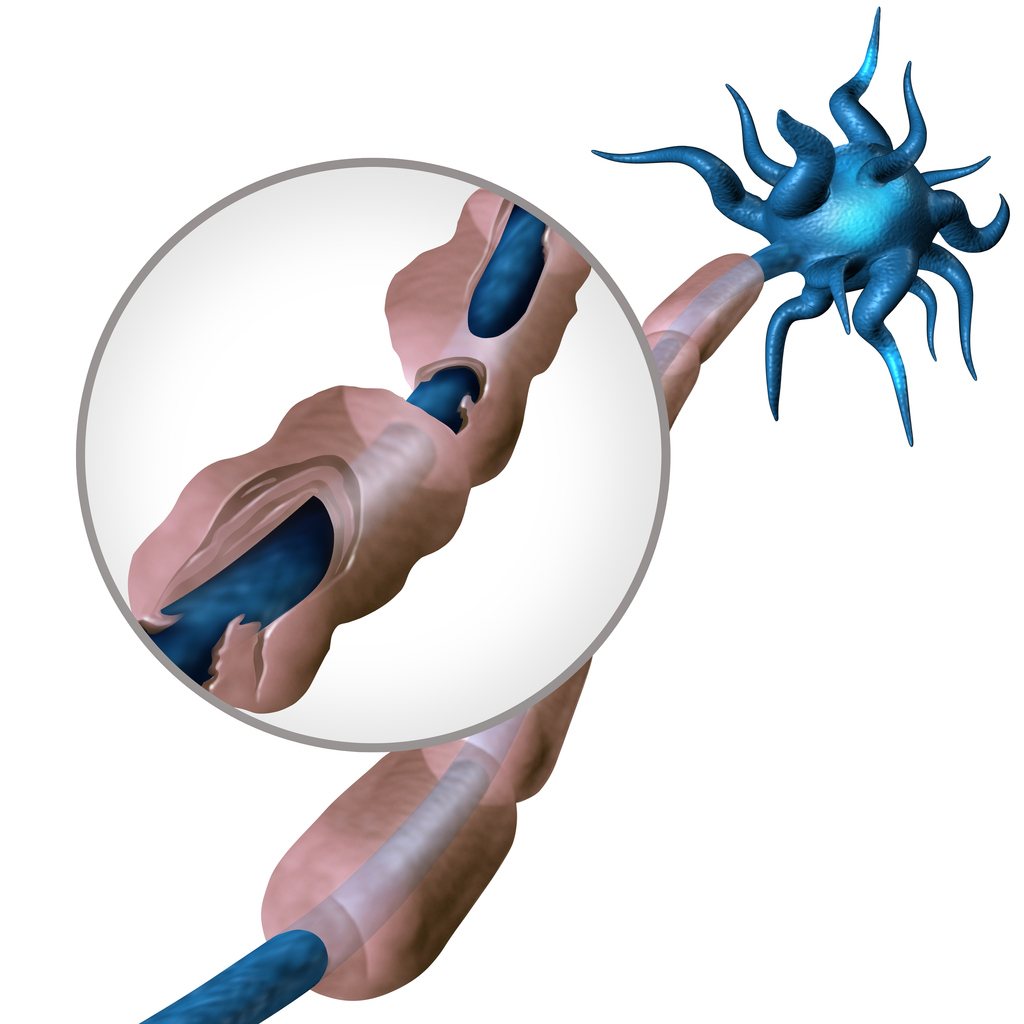
Neurotransmitter Imbalances
Low serotonin is closely linked to food restriction, perfectionism, and obsessive thinking around food. Low dopamine is linked to binge-purge cycles and the pursuit of stimulation through food behaviors. Addressing the nutritional foundations of neurotransmitter production is central to long-term eating disorder recovery.
What Clients Often Notice Over Time
Recovery looks different for everyone, but clients working with a functional nutritionist for eating disorders commonly report:
-
Reduced intensity of obsessive thoughts around food and body image
-
More physical comfort with eating and digestion
-
Improved energy, warmth, and physical vitality
-
More stable mood and reduced anxiety
-
A gradual softening of rigid food rules
-
Improved sleep and hormonal regularity
-
A greater sense of trust in their body over time
-
More capacity to engage in therapy and the behavioral work of recovery
Eating disorder recovery takes time, and nutritional support is one part of a broader picture. But when the body is biochemically supported, the psychological and behavioral work of recovery becomes genuinely more possible.
Am I the Right Fit for You?
A Good Fit If:
- You are in recovery from an eating disorder and want nutritional support alongside your existing treatment
- You feel that underlying biochemical factors in your eating disorder have never been fully addressed
- You are a parent seeking nutritional support for a child or teenager in eating disorder recovery
- You are open to personalized nutrition and targeted supplementation as part of your recovery
Not a Good Fit if:
- You are in medical crisis and need immediate inpatient or acute care
- You are looking for a quick fix or a meal plan without addressing root causes
- You want a medical diagnosis or clinical eating disorder treatment
- You are not open to adjusting food or lifestyle habits as part of recovery
Nutritionist for Eating Disorders: Common Questions
What is the difference between a regular nutritionist and a functional nutritionist for eating disorders?
A regular nutritionist may provide meal planning or general dietary guidance. A functional nutritionist for eating disorders investigates the specific biochemical imbalances that drive disordered eating patterns, including methylation, zinc deficiency, gut damage, hormonal disruption, and neurotransmitter imbalances, and builds a recovery plan around those findings.
Can I work with you if I am already in therapy or seeing an eating disorder treatment team?
Yes, and this is actually the ideal setup. I work collaboratively alongside therapists, physicians, and dietitians. Nutritional support is most effective when it is integrated with the behavioral and psychological work of recovery, not positioned as a replacement for it.
Do you work with all types of eating disorders?
Yes. I support people recovering from anorexia nervosa, bulimia nervosa, binge eating disorder, ARFID, orthorexia, and other disordered eating patterns.
Do you work with teenagers and children with eating disorders?
Yes. I have extensive experience supporting adolescents and children with eating disorders, and I work closely with families throughout the process.
Is nutritional support safe during eating disorder recovery?
Yes, when done carefully and in coordination with your medical team. I approach eating disorder nutrition with significant care, starting where you are and building gradually in a way that supports rather than disrupts recovery.
Do you require lab testing?
Labs are an important part of the process, particularly for eating disorders, where nutrient depletion can be severe and widespread. I’ll guide you on which tests are most relevant and ensure the process feels manageable.
Is this available if I don't live in North Carolina?
Yes. All sessions are virtual. I work with clients across North Carolina, the United States, and worldwide.
How long does eating disorder nutrition support take?
Recovery is not a fixed timeline. Some clients work with me intensively for several months. Others maintain longer-term support as they continue to rebuild their health. The pace is always guided by what is safe and realistic for you.
Ready to Take the Next Step?
Recovery from an eating disorder is possible. If you are looking for a functional nutritionist for eating disorders who understands both the biochemical and human complexity of recovery, and who will work alongside your existing care team, this is where to start.
Book your free consultation and find out how personalized nutritional support can become part of your recovery.