
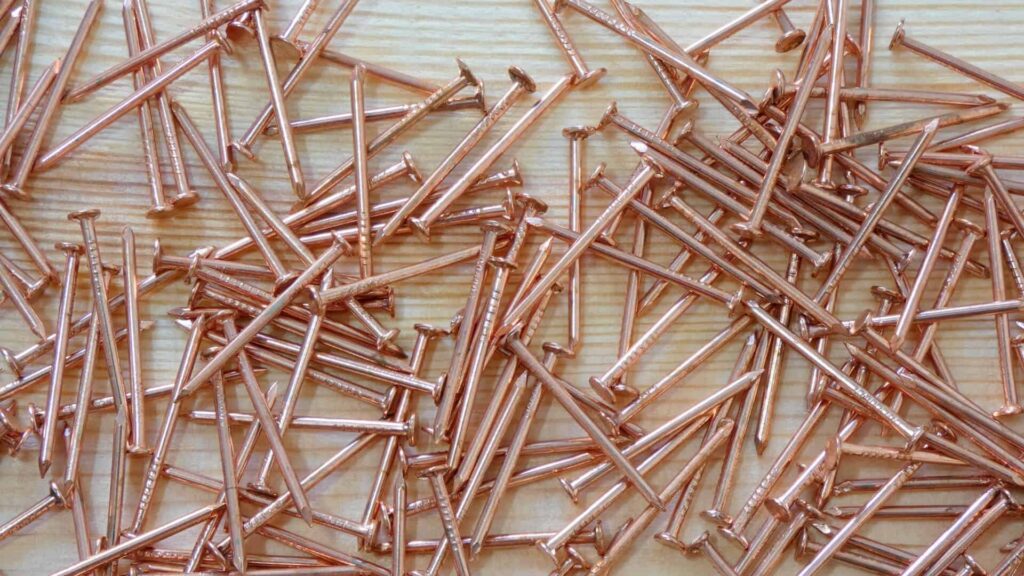

Depression. Anxiety. Copper Toxicity. Conditions we don’t like to talk about. Conditions that are attached to a lot of guilt and shame.
I get it. I’ve been there.
From the time I was born, and for over 25 years, I battled with both of these conditions. I waxed. I waned. Some days were tolerable and I would feel a glimpse of hope. The rest of the time I wanted to jump off a bridge. Uncomfortable in my own skin. Nothing worked. Nothing mattered.
Then one day, an answer to my prayer. A missing link uncovered.
Biochemical testing revealed a condition known as copper toxicity. Yes, copper toxicity. A condition your doctor most likely knows nothing about. A pesky metal that acts as a stimulant and is a powerful conductor of energy.
It lowers dopamine and shoots adrenaline high into the sky.
No wonder I was so hyper, panicky and couldn’t tolerate coffee high in copper, they stimulated me to the point of no return. As a depression and anxiety nutritionist, I now understand that this was because copper lowers dopamine while shooting adrenaline high into the sky. I couldn’t think clearly and was tired all the time brain fog, chronic fatigue, and fibromyalgia are common symptoms of copper toxicity. No wonder I had terrible depression and menstrual irregularities copper toxicity is a common underlying cause of uterine contractions, heavy bleeding, migraine headaches, paranoia, insomnia, anger and rage, endometriosis, fibroid tumors, PMS and PMDD.
And that’s just the short list.
My doctor at the time told me I needed to be on an oral contraceptive to remedy my issues.
Little did she know they actually make the problem worse because estrogen increases copper retention in the body, which I, unfortunately, found out the hard way.
So let’s break down the science of copper toxicity, which I explain in great detail in my Low Copper Cookbook.
If you have struggled with stubborn anxiety, depression, irritability, or brain fog, it is reasonable to wonder whether a physical contributor has been missed. Copper is one possible piece of a much larger picture. I want to explain what copper actually does, what excess copper can look like, and how to approach testing without assuming that every mood symptom is proof of toxicity.
What is Copper Toxicity?
Copper toxicity, often hereditary, is an inability to effectively eliminate excess copper. It is not the same as Wilson’s Disease, a life-threatening and rare genetic disorder where copper accumulates in vital organs and glands.
Copper has the ability to profoundly affect every system in the body especially the reproductive, nervous, and glandular systems, and it has a devastating effect on mental health.
As I already shared, oral contraceptives and the copper IUD make this condition worse.
Copper is not inherently harmful: it is an essential trace mineral involved in energy production, connective tissue, iron metabolism, immune defense, and communication in the nervous system. The body normally regulates absorbed copper and removes much of the excess through bile. A peer-reviewed review of copper homeostasis describes these essential functions and the potential harms of genuine copper imbalance. Problems arise when copper exposure exceeds what the body can manage or when an underlying condition interferes with copper handling.
It also helps to distinguish true copper poisoning or a diagnosed copper-handling disorder from a serum copper result that is simply above a laboratory reference range. Inflammation, pregnancy, estrogen therapy, and birth control pills can affect blood copper or the copper-carrying protein ceruloplasmin. A single abnormal reading does not, by itself, establish toxic copper accumulation in tissues.
Can High Copper Levels Cause Anxiety or Depression?
Copper participates in enzymes involved in neurotransmitter pathways and oxidative balance. That is one reason researchers investigate whether changes in copper status accompany anxiety, depression, irritability, poor concentration, and mood changes. These symptoms are nonspecific, however: they can also accompany sleep disorders, thyroid disease, iron deficiency, medication effects, chronic stress, and many other health conditions.
There is a growing, but not settled, research literature. A 2025 systematic review and meta-analysis of 24 observational studies found higher average serum copper in people with major depression, but it also reported substantial variation between studies. A separate 2025 review of copper, zinc, and iron in depression described copper findings as inconclusive after accounting for limitations. The important distinction is that an association does not prove that excess copper caused a particular person’s depression.
In practice, I prefer asking two questions together: Are we addressing the mental health symptoms themselves, and is there a credible medical or nutritional reason to investigate copper status? Both deserve attention. Nutrition assessment is a possible complement to mental health care, not a reason to stop prescribed treatment.
Copper Toxicity Symptoms: What Might High Copper Look Like?
Symptoms depend on whether the issue involves high exposure, a medical copper-transport disorder, or another cause. Some are physical; others involve mood or cognition.
- Mood and thinking: anxiety, irritability, low mood, difficulty concentrating, and changes in behavior can occur with disorders affecting copper handling.
- Nervous system: headaches, tremor, coordination problems, and other neurologic changes deserve assessment.
- Digestive and general symptoms: nausea, abdominal pain, vomiting, diarrhea, fatigue, or weakness may occur with significant exposure.
- More serious warning signs: jaundice, dark or bloody stools, severe vomiting, confusion, or evidence of liver or kidney injury can signal a need for urgent medical evaluation.
The lists above are not diagnostic checklists. The 2025 EASL-ERN clinical practice guidelines for Wilson disease illustrate why clinicians evaluate copper-related symptoms, medical history, and diagnostic testing together rather than relying on a list of mood symptoms. Someone with anxiety alone should not conclude that copper is the cause.
Copper and Cancer
As I mentioned previously, estrogen increases copper retention in the body. We live in an estrogen dominant world and it is well documented that estrogen dominance plays a direct role in the development of many cancers including those of the breast, ovaries, and cervix.
Additionally, impaired methylation synthesis is also a major factor in today’s soaring cancer rates. You can view the research here.
Cancer risk, hormone signaling, methylation, and copper biology are separate, complex research areas. Studies about estrogen or gene regulation do not establish that an individual with depression has cancer, or that an elevated copper result caused a malignancy. For this article, the practical focus remains mood symptoms and appropriate evaluation of copper status.
With copper high, zinc becomes imbalanced. Zinc is an essential nutrient in the healthy functioning of all our bodily processes. It enhances resistance to stress, maintains intellectual function, memory, and mood levels, and is an important component in the creation of all hormones. Zinc is also a major player in the creation of our bodies master antioxidants, metallothionein and glutathione, both of which are needed for every body system to function optimally and protect us from disease.
Without adequate zinc, we can become prone to pathogenic infections as well as diseases caused by an uncontrolled division of abnormal cells.
Copper and Zinc: Why the Balance Matters
Copper and zinc are both necessary for health, but they are not interchangeable. Zinc helps support normal enzyme function and immune health, while copper has roles in iron transport and nervous system function. Too much supplemental zinc can interfere with copper absorption, sometimes producing a genuine copper deficiency. That is why trying to “lower copper” with high-dose zinc on your own can create a different problem.
Published clinical evidence, including a case report of neurologic copper deficiency associated with zinc supplementation, shows why excessive supplemental zinc can be harmful. A copper-to-zinc ratio may be discussed in functional nutrition, but the meaning of that ratio depends on the individual, laboratory method, and clinical context. Neither a ratio nor a symptoms checklist should be used as a stand-alone mental health diagnosis.
What Causes High Copper Levels?
When someone asks why copper levels are high, I want to understand the circumstances rather than jump straight to a detox protocol. Possibilities a clinician might review include:
- A rare inherited condition such as Wilson disease, which affects the body’s ability to excrete copper.
- Significant exposure through contaminated drinking water, certain industrial settings, or excessive copper-containing products.
- Liver disease or another medical issue affecting copper metabolism.
- Pregnancy, estrogen-containing medication, or inflammation, which may elevate measured blood copper or ceruloplasmin without proving toxic tissue overload.
- Inherited copper overload, which can be passed from mother to child, due to a genetic inability to metabolize copper appropriately.
Most healthy adults obtain the copper they need through food. Common foods containing copper include shellfish, organ meats, legumes, seeds, nuts, whole grains, and dark chocolate. A high-copper food list is not evidence that these foods caused an illness, and removing all copper-rich foods without clinical direction can make a balanced diet unnecessarily restrictive.
Copper Toxicity, Pregnancy, and Children
Copper overload has a strong heritable component, which means that it is often passed down from generation to generation, something we call Transgenerational Epigenetic Inheritance (TEI). If all the females in your family share similar symptoms as mine do, copper toxicity may be the underlying cause.
Postpartum depression (PPD) and psychosis are directly connected to elevated levels of copper, especially with multiple births because copper levels increase with each pregnancy (copper is needed to make blood vessels) and do not go back to normal post-birth. When I hear about women drowning their children, committing suicide, or shooting their husbands, I wonder if monitoring their copper levels would have helped prevent such sad stories.
If your child is anxious, hyper, impulsive, agitated, and has trouble concentrating, remember, copper acts as a stimulant. This produces an adrenaline surge, which is hard for a little, growing body to control.
Your child isn’t bad, it just means there is a biochemical difficulty that is correctable.
Additionally, copper is a major player in ADHD/ADD, Alzheimer’s disease, autism, bipolar disorders, fibromyalgia, and paranoid schizophrenia.
During pregnancy, total blood copper and ceruloplasmin often rise as part of normal physiology. That increase must be interpreted differently from a diagnosed copper accumulation disorder. An often-cited 2007 observational study by Crayton and Walsh reported higher average serum copper in women with a history of postpartum depression, but the authors stated that the nature of the association was unknown. The study did not show that lowering copper prevents postpartum depression or psychosis.
After childbirth, depression, severe anxiety, intrusive thoughts, or a sudden change in mood deserve prompt professional attention. Postpartum psychosis is an emergency, regardless of any suspected mineral imbalance. For children, changes in behavior or concentration should be evaluated in context, including sleep, development, diet, stress, and medical history.
Copper IUDs, Birth Control, and Anxiety: What Should You Know?
Many readers arrive at this subject after searching for copper IUD side effects or wondering whether contraception affects their mood. These are reasonable questions to raise with a clinician, especially when symptoms began after a change in contraception. But a copper IUD and an estrogen-containing birth control pill affect the body in different ways, and the evidence should not be treated as identical.
Though a correlation exists clincally, current evidence does not establish copper IUD use as a common cause of systemic copper toxicity. A 2021 review of 12 blood-copper studies found mixed results for total circulating copper, which does not by itself establish toxic copper accumulation; copper IUDs can still cause side effects such as heavier bleeding or cramping, mood changes, and psychosis. Wilson disease is a distinct copper-handling disorder that warrants specialist advice about contraceptive choices.
Estrogen-containing medications can raise circulating ceruloplasmin and serum copper. In a 2026 case-control study of oral contraceptive users, serum copper was higher on average than in non-users; this association does not prove toxic tissue accumulation. If you are concerned about a copper IUD or oral contraceptive, discuss symptoms, alternatives, and any relevant testing with the prescribing clinician rather than stopping or removing contraception on your own.
How Is Copper Toxicity Tested?
This is one of the most important questions because “high copper” and “copper toxicity” are not interchangeable diagnoses. A clinician may consider serum copper and ceruloplasmin together, and sometimes zinc status or other laboratory tests. When Wilson disease is suspected, evaluation may include liver tests, a 24-hour urine copper test, an eye examination, and additional testing based on findings.
A peer-reviewed summary of the updated AASLD Wilson disease guidance explains why diagnosis requires a combination of clinical findings and appropriately selected laboratory tests rather than one blood result. Ceruloplasmin and total serum copper can also be influenced by pregnancy, estrogen-containing medications, and inflammation. Interpretation should account for symptoms, medical history, medications, and the overall laboratory picture.
Before an appointment, make a brief list of your symptoms and when they started, prescription medications and supplements (including copper and zinc), family history of liver disease, and potential exposures such as well water or work-related contact with copper. That is more useful than ordering a large panel and trying to interpret it alone.
How to Address High Copper Levels Safely
Treatment depends on the cause. Someone with verified copper poisoning or Wilson disease needs medical management; dietary changes alone do not replace that treatment. Chelating medicines or carefully managed zinc therapy are used in selected diagnosed conditions under professional supervision. If the concern is a supplement dose or an environmental source, the first step is identifying the exposure rather than starting an unsupervised cleanse.
The AASLD practice-guidance summary outlines why diagnosed copper-accumulation disorders require ongoing medical management. For readers seeking nutrition support, the goal is to review food patterns, supplement ingredients, and individual nutritional needs alongside appropriate healthcare, not to assume that a low-copper diet or high-dose zinc is right for everyone.
If you have severe abdominal pain, repeated vomiting, jaundice, confusion, or suspected ingestion of copper salts, seek urgent medical care. If depression or anxiety is interfering with daily life, seek mental health support even while possible physical contributors are being investigated.
Frequently Asked Questions About Copper and Mental Health
Can copper toxicity cause anxiety attacks?
Anxiety, irritability, and changes in mood can occur with certain copper-handling disorders, but an anxiety attack by itself cannot diagnose copper toxicity. The full symptom pattern, exposure history, and appropriate tests matter.
What are the symptoms of high copper levels in the body?
Possible symptoms depend on the cause and severity. Digestive problems, headaches, and liver or neurologic changes are important when toxicity is suspected. Mood changes may coexist, but symptoms overlap with many other conditions.
Does a high copper blood test mean I have copper poisoning?
Not necessarily. Total serum copper can be affected by ceruloplasmin, pregnancy, estrogen, and inflammation. A healthcare professional should interpret the result with the laboratory reference range and other clinical findings.
Should I avoid copper-rich foods if I have anxiety or depression?
Not on the basis of anxiety or depression alone. Copper is essential, and most people can eat a balanced diet that contains copper. Restriction is a medical decision when a specific copper-related disorder is diagnosed.
Can zinc help with high copper?
Zinc can reduce copper absorption and has a role in treatment of specific diagnosed disorders. Taking high doses without guidance can cause copper deficiency and other problems, so testing and professional oversight matter.
Can a copper IUD cause depression or copper toxicity?
Some people report symptoms they associate with an IUD, but current evidence has not established systemic copper toxicity as a common result of copper IUD use. A clinician can assess bleeding, pain, mood changes, and contraceptive options; Wilson disease requires special consideration.
Final Thoughts
Copper toxicity is a very treatable condition, one I’ve been blessed to overcome after a lifetime of pain and struggle.
I break all the research down for you along with 25 recipes in my Low Copper Cookbook.
Do you battle with depression and/or anxiety like I once did? If so, I’d love to hear about your experience in the comments below. If you know of someone that is struggling with depression and/or anxiety, please share this post. It is through sharing that we create community, eliminate guilt and shame, and bring about healing.
If you want to understand how nutrition, copper, zinc, and your personal health history may fit together, I offer individualized nutrition support alongside your existing healthcare team. You can learn about my copper toxicity nutrition counseling and depression and anxiety nutrition services.






7 Responses
How do you test for copper toxicity?
Hi Laura – We test copper, zinc, and ceruloplasmin via the blood to determine copper toxicity. Click this link for more information about working with Sami https://eatfor.life/life-solutions/#coaching
~Eat for Life Team Member
I read little English, but I tried to understand the article, it’s possible to get in Spanish?
Thanks.. I’m very interesting in this information.
Hi. One question. How do I text for copper toxicity what kind of doctor are we talking about?
Dear All, First of all, thank you for all of you for posting these comments, they saved my life. I hope that many women read also my lines, my aim is to WARN you from copper IUD!!!! Here is my story. After having two children, we have decided to use a birth control method, which is without hormones. My gynaecologist told me there is a possibility to use copper IUD. She only said that the copper IUD can cause stronger bleeding. That was the only side-effect I heard. I had to undersign it that I am aware of this and that was all, no other information about possible side-effects. Yes: the bleeding was stronger, my period cycle have become much shorter and my hair has become thinner, let me say 1/3 volume as before. But this all was not the worst: at the end of 2018 I became DEPRESSION, with all symptoms: Depressed mood, mood swings, anger, anxiety, insomnia, rage, racing thoughts, palpitations and suicidal thoughts. I got pills for depression and sleep, they helped but I STILL HAD depressed days. I started to make notices about when exactly I had the worst days and these days were always the days during the bleeding. Not before, so not the PMS because of the hormones, but during the whole bleeding. This recognition was the first point I decided to make investigation on the net and found finally reports of women of all over the world who claimed about the same: having IUD and depression. After that it was clear for me: I have all that problems from the IUD. I let it take out and I am now completely changed: no mood swings, no depression at all. I HOPE, that somebody reads this and I can help at least some of us to think it over letting this device out. I wish I had it done much before, before all the struggles I went through, which almost destroyed my life. Greetings, I wish you all the best, S. from Germany
Dear all, thank you for posting this article andbthe comments which helped me to understand the cause of my problems which is copper deficiency and zinc overload.
I just want to inform everybody who is suppl. zinc or is low in iron to control for copper levels which can be easily done by intracellular analysis in some labs. Lack of copper means lack of Iron, fatigue, depression etc.